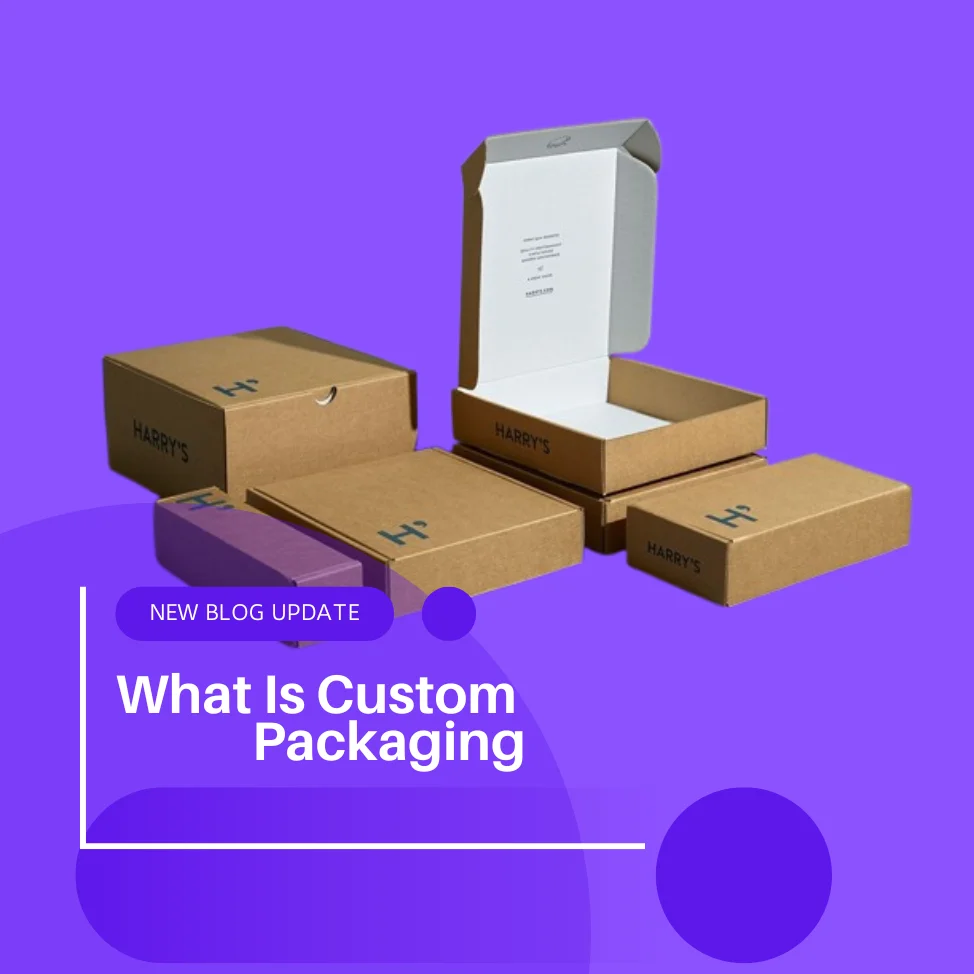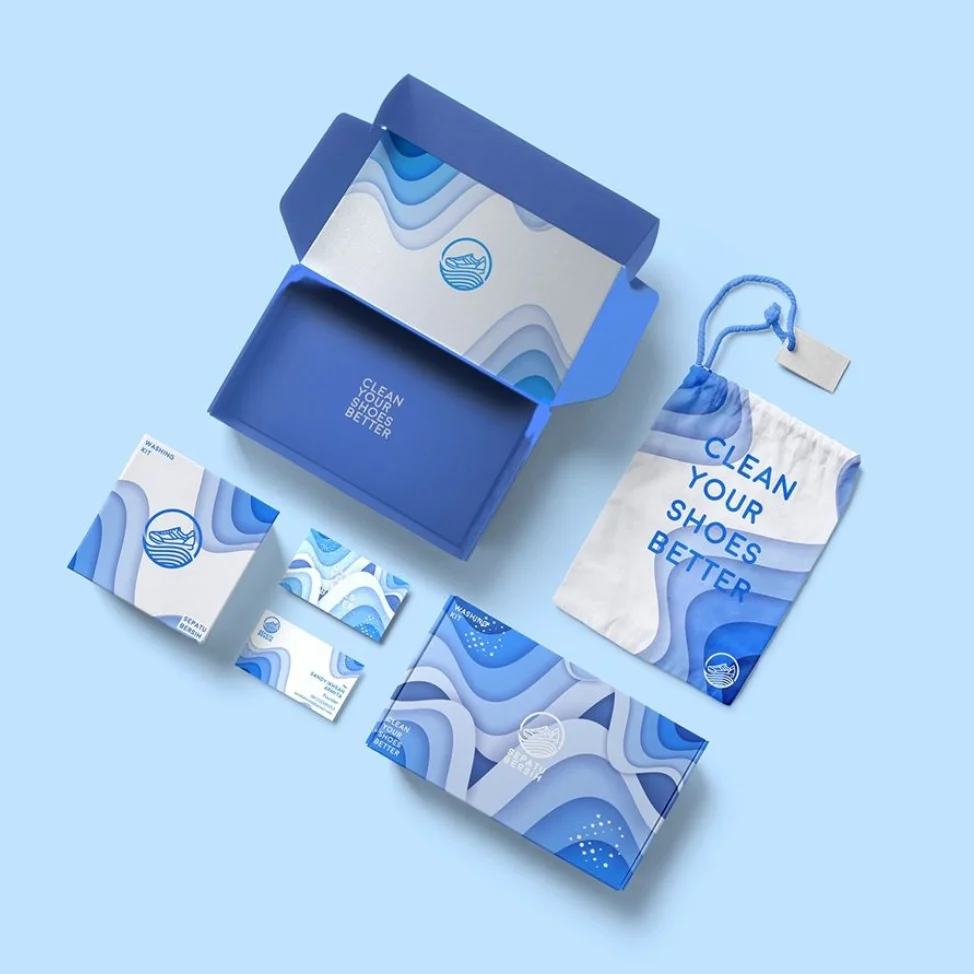
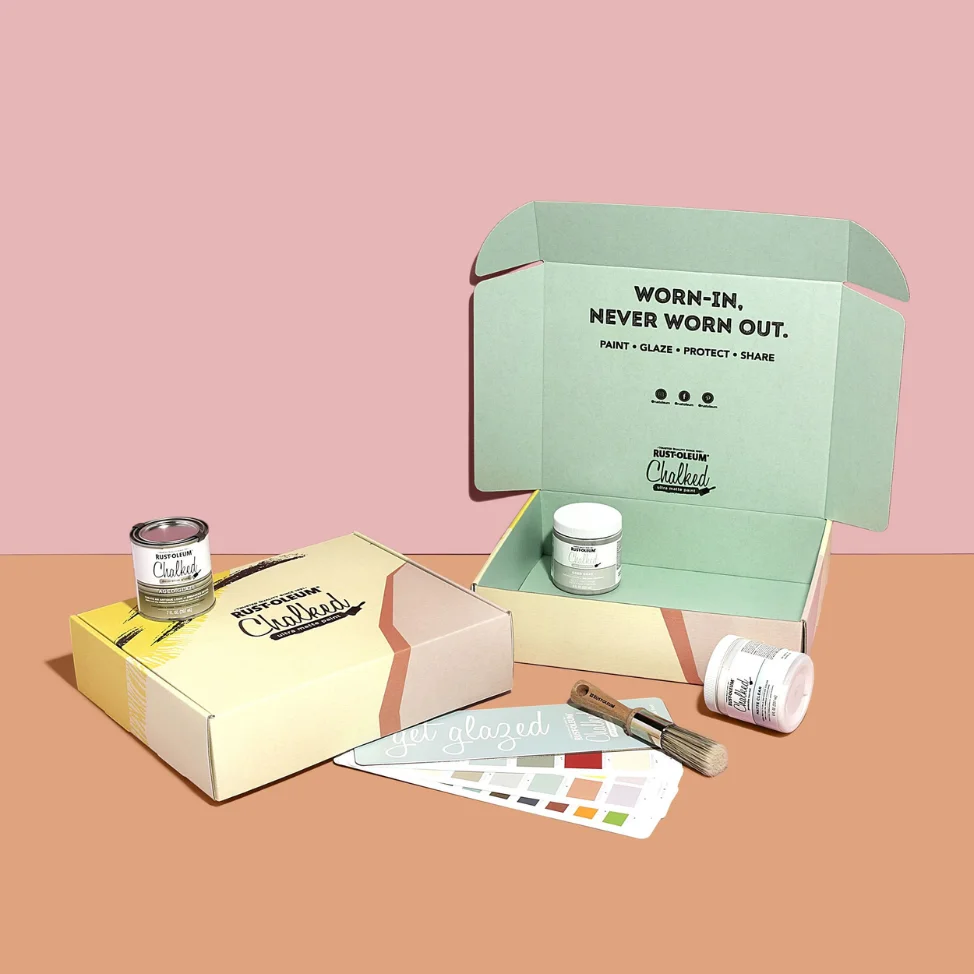
Creative packaging decisions shape first impressions and influence buying confidence strongly. Smart custom boxes ideas help products feel valuable memorable and trustworthy. Thoughtful planning saves cost reduces waste and improves customer satisfaction long term. This guide explains practical ways to generate strong custom boxes ideas effectively.
Understanding The Purpose Of Custom Packaging
Why Custom Boxes Matter For Products
Packaging protects items during storage handling and delivery processes. Well-planned boxes communicate value and purpose without extra explanation. Good design improves recall and encourages repeat purchasing behaviour naturally. Strong custom boxes ideas support branding goals through visual clarity.
Knowing Your Product Before Design
Product size weight and fragility guide structural decisions early. Material choice depends on durability needs and environmental conditions. Shape influences storage efficiency and shelf presentation outcomes. A clear understanding prevents overdesign and unnecessary cost issues.
Researching Inspiration From Everyday Sources
Observing Retail And Daily Objects
Retail shelves offer countless custom box ideas through observation. Food electronics and cosmetics packaging show practical design solutions. Household items reveal space-saving and protective structures. Daily exposure builds visual memory for future concept development.
Learning From Unboxing Experiences
Unboxing moments reveal emotional responses from users clearly. Smooth opening methods create positive memorable experiences. Layered presentation builds anticipation and perceived value. Observing reactions helps refine custom boxes ideas effectively.
Understanding Your Target Audience
Identifying Customer Preferences
Different audiences respond to different visual and functional cues. Age lifestyle and usage context affect packaging expectations greatly. Simple designs suit practical users while decorative styles suit gifting. Audience clarity guides smarter custom boxes ideas creation.
Considering Usage Environment
Usage location affects durability and opening convenience needs. Outdoor products require stronger protection and moisture resistance. Home products favor ease of storage and reuse benefits. Context driven thinking improves long term satisfaction.
Choosing The Right Box Structure
Exploring Box Styles And Shapes
Standard shapes provide cost efficiency and easy stacking benefits. Unique shapes attract attention but require careful engineering. Structural creativity must balance practicality and aesthetics. Testing prototypes helps validate custom boxes ideas.
Balancing Creativity And Function
Creative designs should never compromise protection quality. Opening mechanisms must remain intuitive and frustration free. Functional elegance builds trust and positive brand association. Balanced design increases repeat purchase likelihood.
Selecting Suitable Materials Thoughtfully
Matching Materials With Product Needs
Material strength must support the product’s weight safely. Flexible materials suit lightweight items and reduce shipping costs. Rigid materials protect premium or fragile products effectively. Smart material selection supports sustainable custom boxes ideas.
Considering Sustainability Goals
Eco friendly materials appeal to environmentally conscious buyers. Recyclable options reduce waste and disposal concerns. Minimal material usage improves sustainability perception. Responsible choices enhance brand credibility naturally.
Using Color Psychology Effectively
Understanding Colour Impact On Buyers
Colours trigger emotional responses and expectations instantly. Warm tones suggest excitement while cool tones suggest calm. Neutral colors convey simplicity and reliability. Color choices influence purchasing decisions subconsciously.
Aligning Colors With Product Identity
Product purpose should guide color selection strategy. Health items favour clean soothing color palettes. Luxury products often use muted or dark tones often. Consistency strengthens recognition through custom boxes ideas.
Typography And Visual Elements
Choosing Readable Typography
Fonts must remain clear across different lighting conditions. Simple typefaces improve legibility and professionalism. Over decorated fonts reduce clarity and trust. Typography supports communication without distraction.
Using Graphics With Purpose
Graphics should explain or enhance product understanding. Illustrations can show usage instructions visually. Patterns add texture without overwhelming design. Purpose driven visuals strengthen custom boxes ideas.
Incorporating Practical Features
Adding Convenience Focused Elements
Handles improve portability for larger boxes. Easy open tabs reduce frustration during unboxing. Resealable options add reuse value for customers. Practical features increase perceived usefulness.
Designing For Storage Efficiency
Compact designs save shelf and storage space. Stackable boxes support retailers and consumers alike. Flat surfaces prevent tipping during transport. Efficient structure reduces damage risks.
Testing And Refining Your Ideas
Creating Prototypes For Evaluation
Physical samples reveal flaws unseen digitally. Testing ensures fit strength and usability accuracy. Feedback highlights improvement opportunities early. Iteration refines custom boxes ideas successfully.
Gathering User Feedback
User opinions reveal real world performance insights. Observing interactions uncovers hidden usability issues. Feedback guides final adjustments confidently. Listening improves overall satisfaction rates.
Cost Awareness During Design
Managing Budget Constraints Wisely
Creative ideas must align with production budgets. Complex structures increase manufacturing costs quickly. Material efficiency controls overall expenses. Smart planning keeps custom boxes ideas affordable.
Avoiding Overdesign Mistakes
Excessive features raise costs without added value. Simple solutions often perform better long term. Focus on essentials improves clarity and efficiency. Balanced design ensures sustainable growth.
Keeping Designs Future Ready
Planning For Scalability
Designs should support future product variations easily. Flexible templates reduce redesign efforts later. Consistent structure allows faster production expansion. Scalable thinking protects long term investment.
Adapting To Market Trends
Packaging trends change with consumer expectations. Minimalism and sustainability gain increasing importance. Staying informed prevents outdated designs. Trend awareness keeps custom boxes ideas relevant.
Conclusion
Strong packaging begins with clear understanding and thoughtful planning. Good custom boxes ideas balance creativity function and user needs. Observation research, testing,g and refinement drive successful outcomes. Focused design choices build trust, value,lue and lasting impressions.