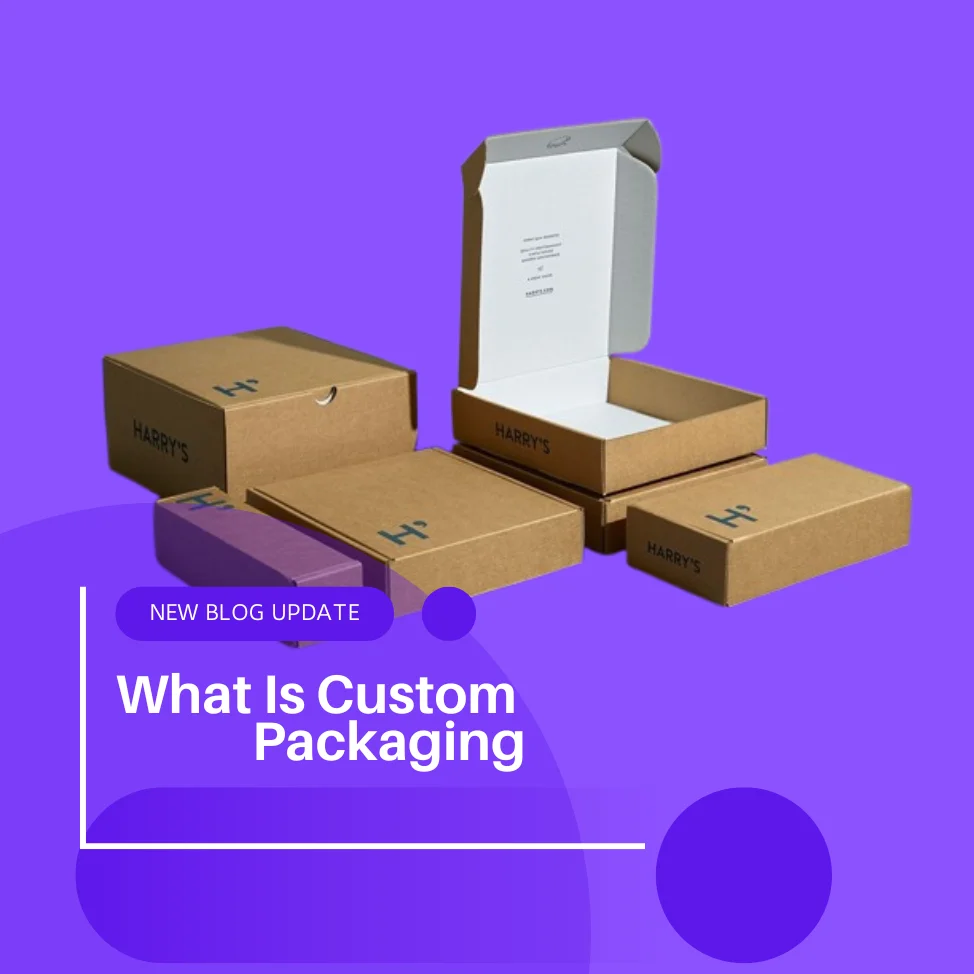
Packaging plays a vital role in how products are perceived and protected. Custom packaging refers to packaging designed specifically for a product. This type of packaging aligns with product needs, visual goals, and user expectations. Understanding custom packaging helps businesses improve presentation and performance.
Understanding The Concept Of Custom Packaging
Definition Of Custom Packaging
Custom packaging means boxes or containers designed for a specific product. Size, shape, material and appearance are tailored to product requirements. Unlike generic packaging, it fits the product perfectly. This approach improves safety, usability, ty and visual appeal.
Difference Between Standard And Custom Packaging
Standard packaging uses fixed sizes and common designs. Custom packaging adapts to a product’s unique dimensions and goals. Standard options offer convenience but lack flexibility. Custom solutions provide better control and differentiation.
Purpose Of Custom Packaging
Protecting The Product Effectively
The primary function of packaging is product protection. Custom packaging reduces movement during shipping. Proper fit minimises breakage and damage risks. Material choice ensures durability under different conditions.
Enhancing Product Presentation
Presentation influences buyer perception immediately. Custom packaging highlights product value visually. Thoughtful design creates a premium feel naturally. Visual consistency builds recognition and trust.
Key Elements Of Custom Packaging
Box Structure And Shape
Structure defines how packaging functions physically. Custom shapes improve fit and reduce wasted space. Structural design supports stacking and storage needs. Smart structure balances strength and convenience.
Material Selection
Material choice affects cost, strength and sustainability. Paper-based materials suit lightweight products well. Rigid materials protect fragile or premium items. Material alignment ensures performance and reliability.
Importance Of Custom Packaging For Businesses
Building Brand Identity
Packaging communicates brand personality clearly. Consistent design supports recognition over time. Custom packaging reinforces visual identity effectively. Strong identity encourages repeat purchases.
Improving Customer Experience
Customer experience begins before product usage. Easy opening improves first impression. Reusable packaging adds extra value. Positive experience increases customer satisfaction.
Role Of Design In Custom Packaging
Visual Design Considerations
Design includes colors typography, and layout. Visual clarity helps customers understand products quickly. Balanced design avoids clutter and confusion. Purpose-driven visuals enhance effectiveness.
Functional Design Aspects
Function matters as much as appearance. Packaging must open, close and store easily. Functional design reduces user frustration. Good usability builds trust and loyalty.
Custom Packaging And Marketing
Packaging As A Marketing Tool
Packaging communicates messages without words. Shelf presence influences buying decisions strongly. Unique designs attract attention naturally. Packaging supports marketing goals silently.
Supporting Product Positioning
Packaging reflects product positioning clearly. Premium items require refined packaging styles. Everyday products need simple, practical designs. Alignment strengthens market perception.
Sustainability In Custom Packaging
Importance Of Eco Friendly Packaging
Sustainability matters greatly to modern consumers. Custom packaging allows material optimisation. Reduced waste improves environmental impact. Responsible choices enhance brand credibility.
Sustainable Design Practices
Minimal material usage supports eco goals. Recyclable materials reduce disposal concerns. Reusable designs extend packaging life. Sustainability adds long-term value.
Industries Using Custom Packaging
Retail And Consumer Products
Retail products rely on visual appeal heavily. Custom packaging helps stand out on shelves. Protection during transport remains essential. Retail success often depends on packaging quality.
Food And Personal Care Products
Food packaging requires a safety and hygiene focus. Custom designs ensure freshness and protection. Personal care items need secure leak prevention. Tailored packaging meets regulatory needs.
Custom Packaging For Shipping And Logistics
Improving Shipping Efficiency
Right-sized boxes reduce shipping costs. Less space improves load efficiency. Secure fit prevents transit damage. Efficiency benefits businesses and customers.
Reducing Returns And Damage
Poor packaging leads to higher return rates. Custom packaging minimises handling issues. Protection improves delivery success. Reduced returns save time and resources.
Custom Packaging Development Process
Planning And Research Stage
Design begins with product analysis. Research identifies user needs and expectations. Budget and production constraints guide planning. Clear goals shape successful outcomes.
Design And Testing Phase
Design concepts are created and refined. Prototypes test fit, strength and usability. Testing reveals improvement opportunities early. Iteration ensures reliable final results.
Benefits Of Using Custom Packaging
Better Product Safety
Custom fit reduces internal movement. Stronger materials improve protection levels. Safety increases customer confidence. Reliable packaging prevents complaints.
Enhanced Customer Perception
Professional packaging increases perceived value. Customers associate quality packaging with quality products. Positive perception supports brand growth. Trust builds through consistent experiences.
Challenges In Custom Packaging
Managing Costs Effectively
Custom designs can increase initial costs. Material selection impactthe s budget significantly. Smart planning controls expenses. Cost efficiency improves over time.
Balancing Creativity And Practicality
Creative designs must remain functional. Overdesign complicates production and usage. Practical creativity ensures success. Balance leads to sustainable solutions.
Future Of Custom Packaging
Adapting To Changing Consumer Needs
Consumer expectations continue to evolve. Customisation and sustainability gain importance. Packaging must adapt accordingly. Future-ready designs stay relevant.
Innovation In Packaging Solutions
Technology influences packaging development. Smarter materials improve performance. Design innovation enhances efficiency. Progress drives better custom packaging outcomes.
Conclusion
Custom packaging is a tailored solution for product protection and presentation. It combines design functionality and user-focused thinking. Thoughtful custom packaging improves experience and brand value. Understanding its role helps businesses make informed decisions.